Icon Books
"Introducing The Enlightenment" is the essential guide to the giants of the Enlightenment - Voltaire, Diderot, Adam Smith, Samuel Johnson, Immanuel Kant, Benjamin Franklin, and Thomas Jefferson. The Enlightenment of the 18th century was a c
32% rabatu
33,08 zł
49,00 zł
Dodaj
do koszyka Najniższa cena z ostatnich 30 dni: 33,18 zł

'Part memoir, part hugely entertaining self-help manual for these tough times' Roger Alton, Daily Mail'A bona fide badass' The Sunday TimesFormer Secret Service Special Agent Evy Poumpouras shares the insights and skills from one of the old
33% rabatu
40,49 zł
60,00 zł
Dodaj
do koszyka Najniższa cena z ostatnich 30 dni: 40,61 zł
Plato is the most widely studied, and probably the greatest, philosopher of all time. He asked his contemporary Athenians for answers to all of the difficult and troubling questions that we now call philosophical, and then recorded their id
33% rabatu
29,70 zł
44,00 zł
Dodaj
do koszyka Najniższa cena z ostatnich 30 dni: 29,78 zł

A classic Introducing title which should be essential reading for any student - whether formally or not - of philosophy.
Our knowledge comes primarily from experience – what our senses tell us. But is experience really what it seems?
The
33% rabatu
29,70 zł
44,00 zł
Dodaj
do koszyka Najniższa cena z ostatnich 30 dni: 29,78 zł
Carl Gustav Jung was the enigmatic and controversial father of analytical psychology. This updated edition of Introducing Jung brilliantly explains the theories that underpin Jung’s work, delves into the controversies that led him to break
32% rabatu
33,08 zł
49,00 zł
Dodaj
do koszyka Najniższa cena z ostatnich 30 dni: 33,18 zł
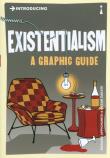
This is Richard Appignanesi's erudite investigation of Existentialism, the philosophical and cultural movement that prioritizes individual experience.
32% rabatu
33,08 zł
49,00 zł
Dodaj
do koszyka Najniższa cena z ostatnich 30 dni: 33,18 zł
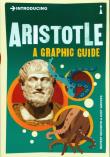
Aristotle was named the "master of those who know." He is a foundational thinker in almost every field of inquiry and for fifteen hundred years he remained the paradigm of knowledge itself. Even today, his contributions to, amongst many oth
32% rabatu
33,08 zł
49,00 zł
Dodaj
do koszyka Najniższa cena z ostatnich 30 dni: 33,18 zł
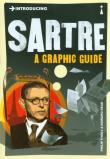
Between the end of World War II in 1945 and his death in 1980, Jean-Paul Sartre was the most famous French writer, as well as one of the best-known living philosophers. Introducing Sartre explains the basic ideas inspiring his world view, p
33% rabatu
29,70 zł
44,00 zł
Dodaj
do koszyka Najniższa cena z ostatnich 30 dni: 29,78 zł

Jacques Lacan is now regarded as a major psychoanalytical theorist alongside Freud and Jung, although recognition has been delayed by fierce arguments over his ideas. Written by a leading Lacanian analyst, "Introducing Lacan" guides the rea
32% rabatu
33,08 zł
49,00 zł
Dodaj
do koszyka Najniższa cena z ostatnich 30 dni: 33,18 zł
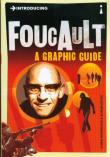
Michel Foucault's work was described at his death as 'the most important event of thought in our century'. As a philosopher, historian and political activist, he certainly left behind an enduring and influential body of work, but is this ac
32% rabatu
33,08 zł
49,00 zł
Dodaj
do koszyka Najniższa cena z ostatnich 30 dni: 33,18 zł
Bertrand Russell changed Western philosophy forever. He tackled many puzzles—how our minds work, how we experience the world, and what the true nature of meaning is. In Introducing Bertrand Russell we meet a passionate eccentric, active in
33% rabatu
29,70 zł
44,00 zł
Dodaj
do koszyka Najniższa cena z ostatnich 30 dni: 29,78 zł
As we find ourselves at the cusp of an economic downturn, there has been a clear reinvigoration of Keynesian economics as governments are attempting to stimulate the market through public funds. Forming his economic theories in the wake of
32% rabatu
33,08 zł
49,00 zł
Dodaj
do koszyka Najniższa cena z ostatnich 30 dni: 33,18 zł
Infinity is a profoundly counter-intuitive and brain-twisting subject that has inspired some great thinkers – and provoked and shocked others. The ancient Greeks were so horrified by the implications of an endless number that they drowned t
32% rabatu
33,08 zł
49,00 zł
Dodaj
do koszyka Najniższa cena z ostatnich 30 dni: 33,18 zł
What might a 'theory of everything' look like? Is science an ideology? Who were Adorno, Horkheimer or the Frankfurt School? The decades since the 1960s have seen an explosion in the production of critical theories. Deconstructionists, posts
32% rabatu
33,08 zł
49,00 zł
Dodaj
do koszyka Najniższa cena z ostatnich 30 dni: 33,18 zł
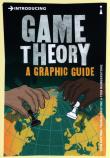
When should you adopt an aggressive business strategy? How do we make decisions when we don't have all the information? What makes international environmental cooperation possible?Game theory is the study of how we make a decision when the
32% rabatu
33,08 zł
49,00 zł
Dodaj
do koszyka Najniższa cena z ostatnich 30 dni: 33,18 zł
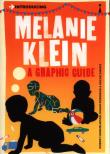
Born in Vienna in 1882, Melanie Klein became a pioneer in child psychoanalysis and developed several ground-breaking concepts about the nature and crucial importance of the early stages of infantile development. Although she was a devoted F
32% rabatu
33,08 zł
49,00 zł
Dodaj
do koszyka Najniższa cena z ostatnich 30 dni: 33,18 zł
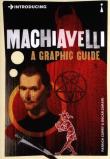
llustrated guide to the crucial Italian philosopher and author of The Prince. 'Machiavellian' is a popular byword for treachery and opportunism. Machiavelli's classic book on statecraft, The Prince, published over 400 years ago, remains con
32% rabatu
33,08 zł
49,00 zł
Dodaj
do koszyka Najniższa cena z ostatnich 30 dni: 33,18 zł

Introducing Levi-Strauss is a guide to the work of the great French anthropologist Claude Levi-Strauss (1908-2009). The book brilliantly traces the development and influence of Levi-Strauss' thought, from his early work on the function of t
32% rabatu
33,08 zł
49,00 zł
Dodaj
do koszyka Najniższa cena z ostatnich 30 dni: 33,18 zł
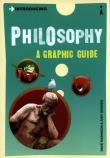
Introducing Philosophy
32% rabatu
33,08 zł
49,00 zł
Dodaj
do koszyka Najniższa cena z ostatnich 30 dni: 33,18 zł
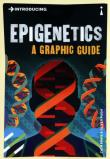
Epigenetics is the most exciting field in biology today, developing our understanding of how and why we inherit certain traits, develop diseases and age, and evolve as a species. This non-fiction comic book introduces us to genetics, cell b
33% rabatu
29,70 zł
44,00 zł
Dodaj
do koszyka Najniższa cena z ostatnich 30 dni: 29,78 zł
Liczba wyświetlanych pozycji:
Idź do strony:

Uwaga!!!
Ten produkt jest zapowiedzią. Realizacja Twojego zamówienia ulegnie przez to wydłużeniu do czasu premiery tej pozycji. Czy chcesz dodać ten produkt do koszyka?
TAK
NIE
Wybierz wariant produktu
|


|